AI Overview
Repairing an online reputation takes five steps. Audit what customers see when they search your brand, respond professionally to reviews, publish credible content, deal with harmful search results, and keep monitoring. Most businesses see measurable improvement within three to six months of consistent, ethical effort.
Key Takeaways
Customers judge a brand within seconds of searching its name, and a calm, professional reply to criticism builds more trust than silence. Authoritative content is the most sustainable way to improve search results. Accurate information matters more than ever now that AI tools summarize brands, and reputation comes from consistent behavior and not from one-off campaigns.
Introduction
Before customers phone, visit, or inquire, they search. Within a few seconds they scan your star ratings, read recent reviews, and notice whether anything unflattering sits beside your name. For most Australian businesses, that first impression now carries as much weight as any advertisement.
When the impression is damaged, whether by a critical review, a social media complaint, or an inaccurate news mention, recovery is possible. It takes a clear method and patience. Many organizations work with specialists in online reputation management services in Sydney to guide the process, and this article explains how it works so you can make an informed decision.
Why Reputation Directly Affects Revenue
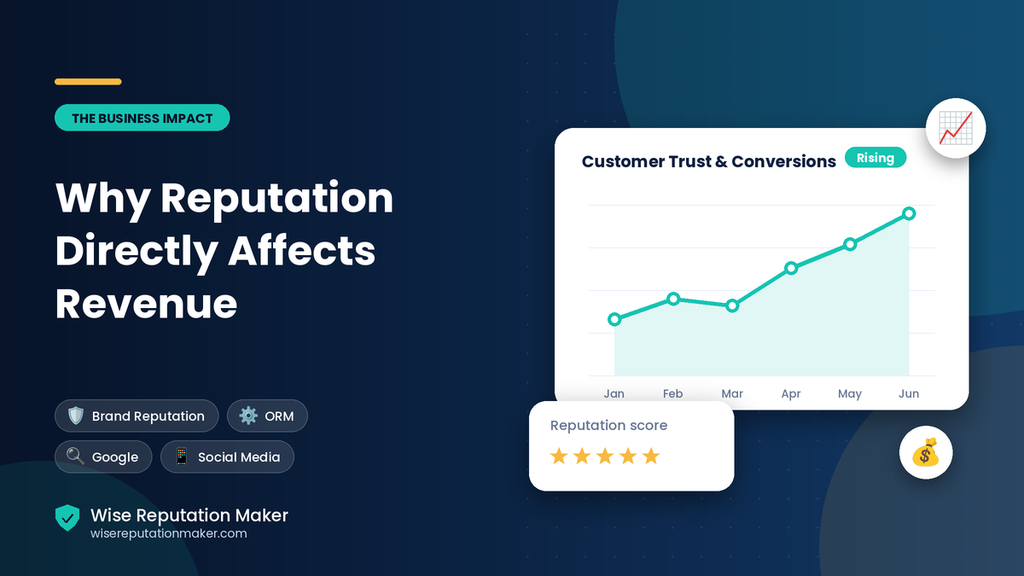
Reputation damage rarely shows up as a single line on a balance sheet, yet its effects add up. Visitors hesitate to buy when reviews and ratings raise doubts, which lowers conversion. Weak trust signals also reduce click through and inquiry rates, so marketing costs climb. Candidates research employers on review platforms before they apply, which makes recruitment harder, and suppliers, lenders, and investors often check public sentiment first, which can strain partnerships.
Brand reputation is the collective picture that search results, reviews, media, and social conversations paint of you. You cannot control every voice, but you can shape that picture considerably.
Step 1: Audit What Customers Actually See.
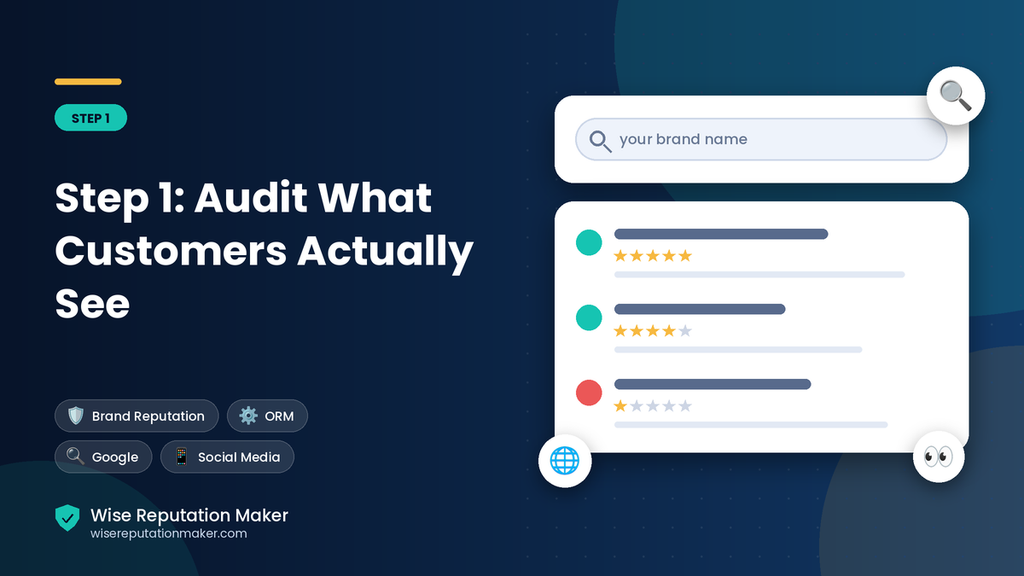
Open a private browser window and search for your business name, your leaders’ names, and your key services. Record the first two pages of search results, along with the ratings and recent reviews on Google, Facebook, Trustpilot, Glassdoor, and industry directories. Note the autocomplete suggestions and the “People also ask” questions, and collect any images, videos, and news articles connected to your name.
Then label each item positive, neutral, or negative. This baseline shows whether you have a review problem, a content problem, or both, and it gives you a benchmark for measuring progress.
Step 2: Respond to Criticism With Professionalism.
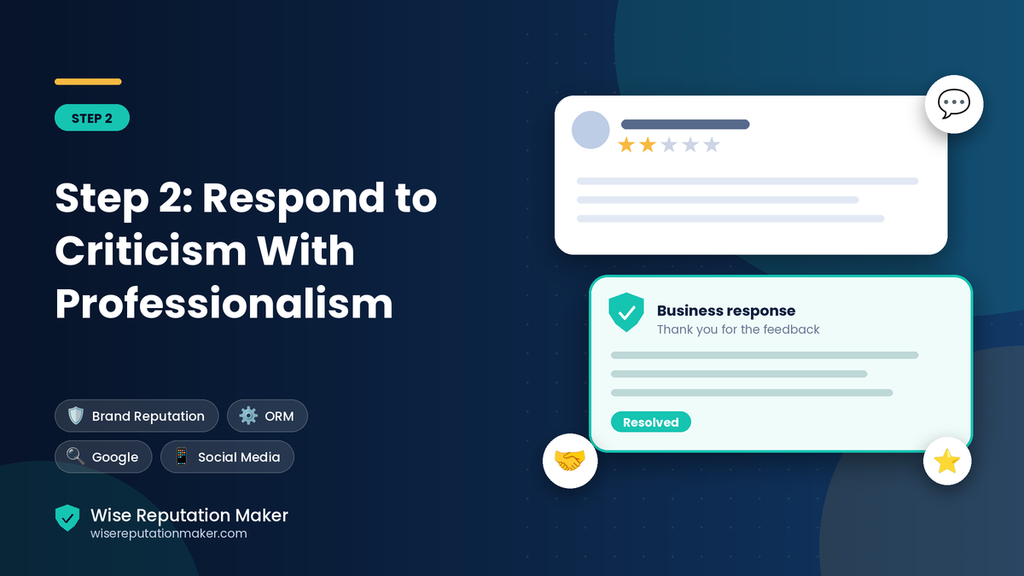
A considered reply shows future customers how you behave when something goes wrong. A simple four part structure works well.
1. Acknowledge. Thank the reviewer and recognize their experience.
2. Apologize. Do so sincerely where warranted, without defensiveness.
3. Act. Explain briefly what you are doing to resolve the issue.
4. Move offline. Provide a direct contact so the matter can be settled privately.
Never argue publicly or disclose private customer information. If a review is fake, abusive, or breaches platform guidelines, report it through the platform’s official channel instead of retaliating.
Step 3: Build a Stronger Layer of Positive Content.
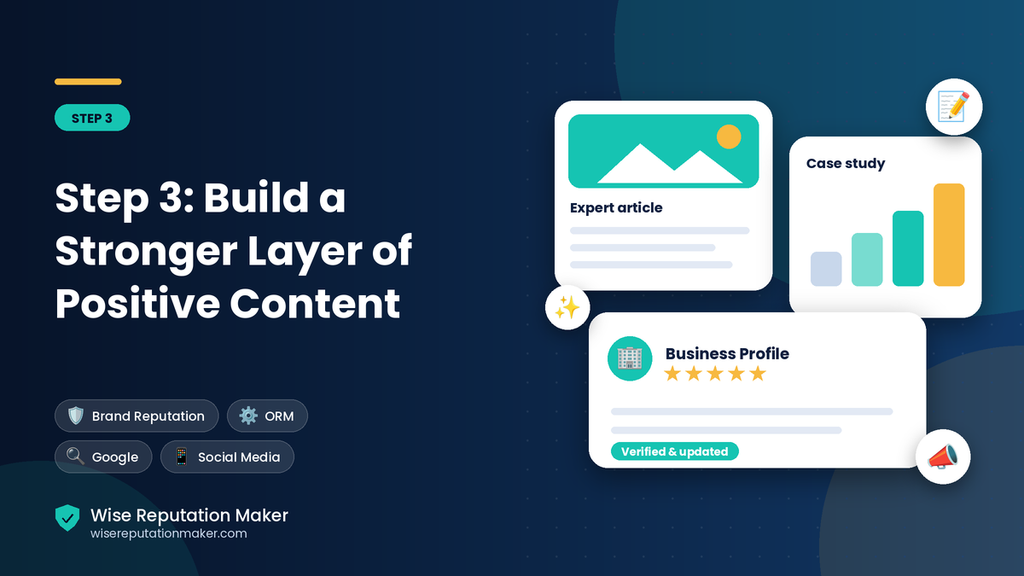
You cannot wish a damaging page away, but better and more relevant material can outweigh it. Search engines reward content that is fresh, accurate, and trustworthy, so it pays to invest in educational articles that demonstrate genuine expertise and in case studies and customer stories with real outcomes. A complete, regularly updated Google Business Profile helps, as do active, consistent social media profiles and features or mentions in credible industry publications.
Quality always beats volume. A few authoritative pages will outperform dozens of thin ones.
Step 4: Address Harmful Search Results.
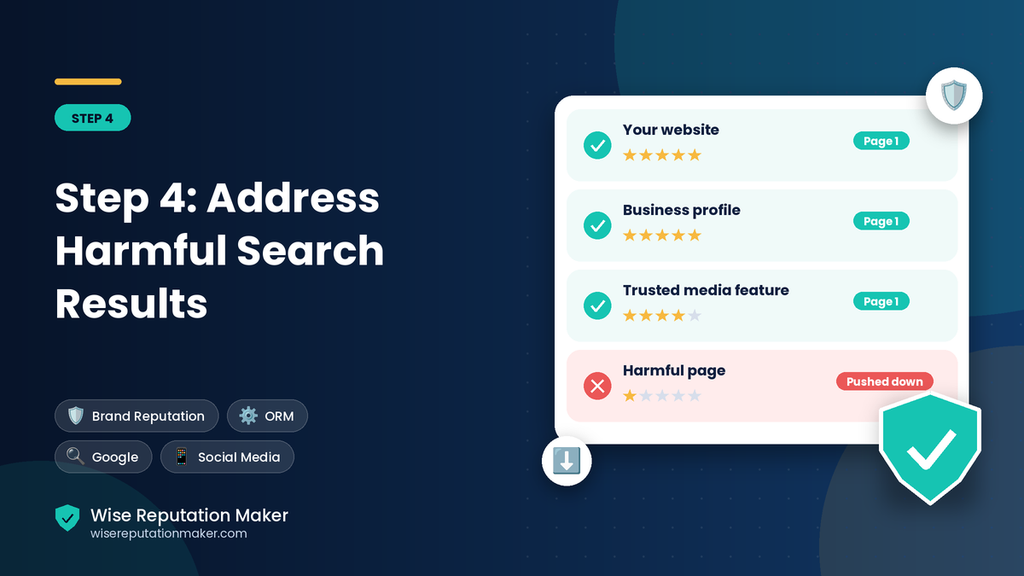
When unfavorable content ranks prominently, three legitimate approaches are available. Removal is appropriate when the content breaches platform policy, is defamatory, or exposes private information. Suppression strengthens positive pages so that harmful results gradually move down the rankings. Correction means contacting publishers with evidence so that inaccurate statements are amended or retracted.
The right combination depends on the source, the age of the content, and its legal standing.
Step 5: Rebuild Confidence Through Consistent Action.
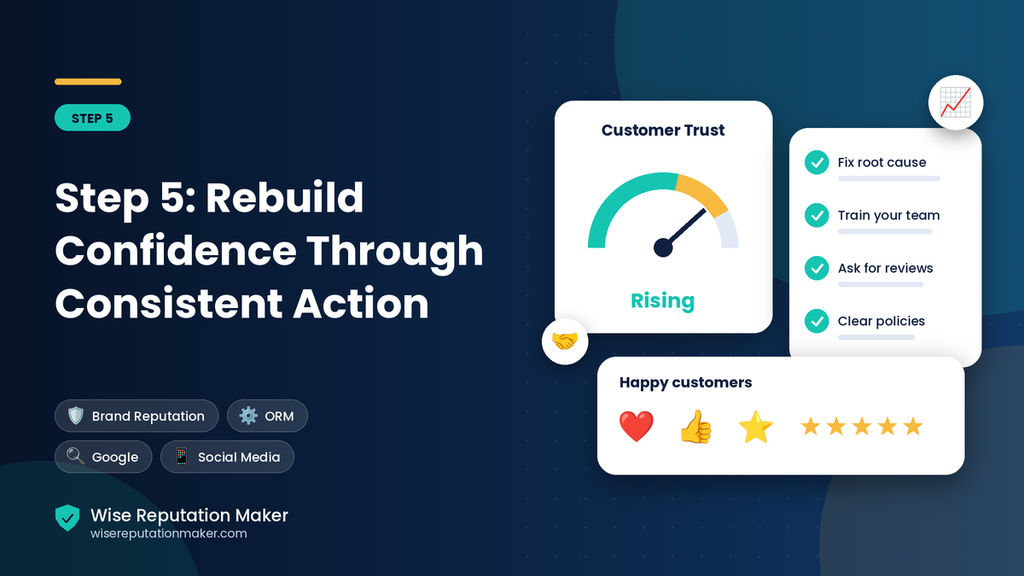
Public relations can only do so much if the underlying issue remains. Confidence returns when your actions match your promises over time. That means fixing the root cause of recurring complaints and training your team to resolve disputes quickly and calmly. It also means inviting honest reviews from satisfied customers after every completed job and publishing clear refund, warranty, and service standard policies.
How Wise Reputation Maker Supports Your Brand
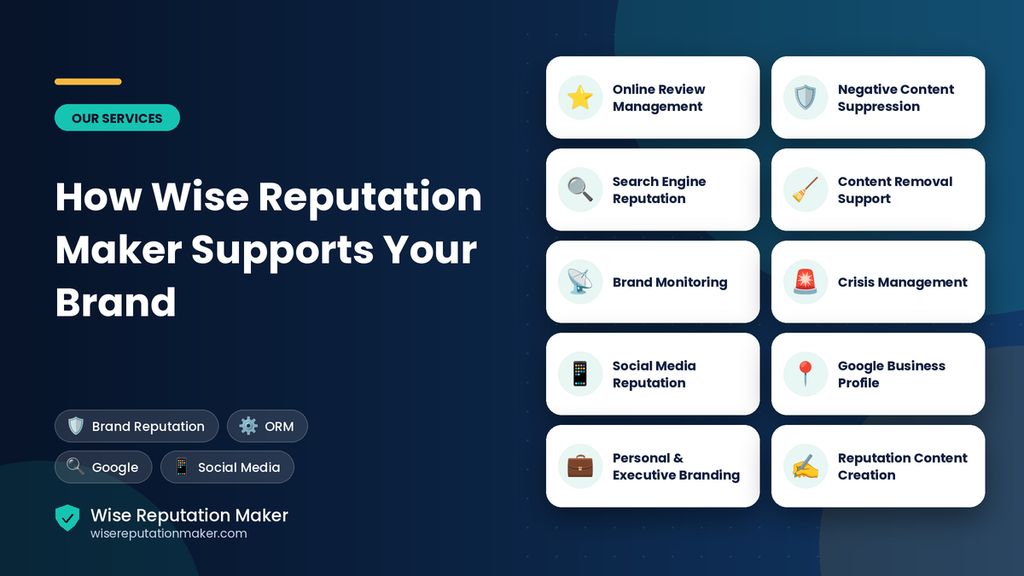
Managing every stage internally takes time, tools, and experience. Wise Reputation Maker delivers a full suite of online reputation management services in Sydney, structured around the recovery process described above.
Online review management covers monitoring, responding to, and encouraging authentic reviews across major platforms. Negative content suppression strengthens positive digital assets so that harmful results lose prominence, and search engine reputation management shapes the results shown for your brand and key people. Content removal support guides legitimate removal requests for material that breaks policy or is inaccurate.
Brand monitoring tracks mentions across search, news, social media, and review sites so issues are caught early, while crisis management provides rapid response planning when a complaint, rumor, or news story threatens your name. Social media reputation management keeps profiles active, consistent, and professionally moderated, and Google Business Profile optimization improves accuracy, engagement, and local credibility. Personal and executive branding protects the public image of founders, directors, and professionals, and reputation content creation produces authoritative articles and profiles that build lasting trust.
To explore the full approach, visit the Sydney online reputation management page.
Why Local Expertise Matters
Sydney customers compare providers suburb by suburb, check Google Maps ratings, and read local forums before they choose a clinic, law firm, restaurant, or tradesperson. A team that understands Australian consumer expectations, privacy considerations, and platform behavior can tailor strategies that a generic overseas approach would miss. That local insight is a major reason businesses look for online reputation management services in Sydney and not for packages that treat every client the same.
How to Choose a Reputation Partner
Your reputation is among your most valuable assets, so evaluate any provider carefully. Ask whether its methods are ethical, with no fake reviews, hidden tactics, or policy violations, and whether it reports transparently, with regular updates on ratings, rankings, and sentiment. Be wary of instant result guarantees and look for realistic expectations instead. The strategy should be customized around your industry and audience, and the provider should respect defamation, privacy, and platform rules.
The best online reputation management services in Sydney leave you better informed and more confident, not dependent.
Reputation in the Age of AI search
Search keeps changing. AI overviews and conversational assistants now summarize brands directly, drawing on reviews, news, directories, and your own website. Your reputation is therefore shaped by every fact and opinion an AI system can find about you, and not only by the traditional list of search results.
To keep those summaries accurate, use identical business details across every listing and publish clear, factual “About” and service pages. Answer common customer questions directly on your website, and encourage reviews that mention specific services and outcomes.
Final Thoughts
Trust takes years to earn and moments to damage, yet it can be rebuilt. Audit honestly, respond with care, publish credible content and keep listening. If you would like expert support, consider Online Reputation Management Services in Sydney that combine monitoring, content, and crisis planning into one coordinated strategy.
Frequently Asked Questions
How long does it Take to Repair An Online Reputation?
Minor issues can improve within weeks. Most brands need three to six months of consistent work, and problems that have existed for years may take longer.
Can Negative Reviews be Removed?
Only when they breach platform policies, such as fake, abusive, or irrelevant reviews. Genuine criticism usually remains, which is why thoughtful responses and fresh positive reviews are important.
Is Buying Positive Reviews a Good Idea?
No. It violates platform rules, risks penalties, and can destroy trust if discovered. Always collect reviews from real customers.
What Does a Reputation Management Service Typically Include?
Most include review management, search result improvement, brand monitoring, content creation, crisis response, and removal support, tailored to the client’s industry.
Does Reputation Management Affect SEO?
Yes. Positive content, strong reviews, and consistent listings improve visibility and trust signals in both traditional search and AI generated summaries.
When Should a Business Start Managing Its Reputation?
Before a problem appears. Early monitoring makes issues faster and cheaper to resolve.
AI Summary
Rebuilding customer confidence requires a structured approach. Audit your search presence, respond professionally to criticism, publish authoritative content, address harmful results through removal, suppression, or correction, and monitor continuously. Specialist support can speed up recovery, particularly in competitive local markets. Consistent action and accurate information across every platform keep your brand trusted in both traditional and AI driven search.
